
A look inside Ranger of the Realms
The Making
of an Episode
I built a system to carry each episode through production. It researches the lore, drafts the script, directs and paints the images, scores the music, and cuts it all together. At every step, it brings the choices back to me: what to make, how to tell it, which images are right, what is ready to publish. Here is how it works.
Making things with AI is a charged subject right now, and more so when it touches a writer as loved as Tolkien. I think that is fair. This channel began as a way to bring together two things I care about: Tolkien's world, and the craft of building systems. I use these tools openly, and I am still learning where they help and where the work has to be mine. What follows is honestly how an episode gets made.
It is just me, running the channel with a system I keep building and refining as I go. Two things have held steady the whole time. I make the decisions, about what to cover and whether a piece is good enough to publish. And the system keeps improving, because every episode teaches it something I fold back in.
What follows is the path an idea takes here, from a passing interest to a finished episode.
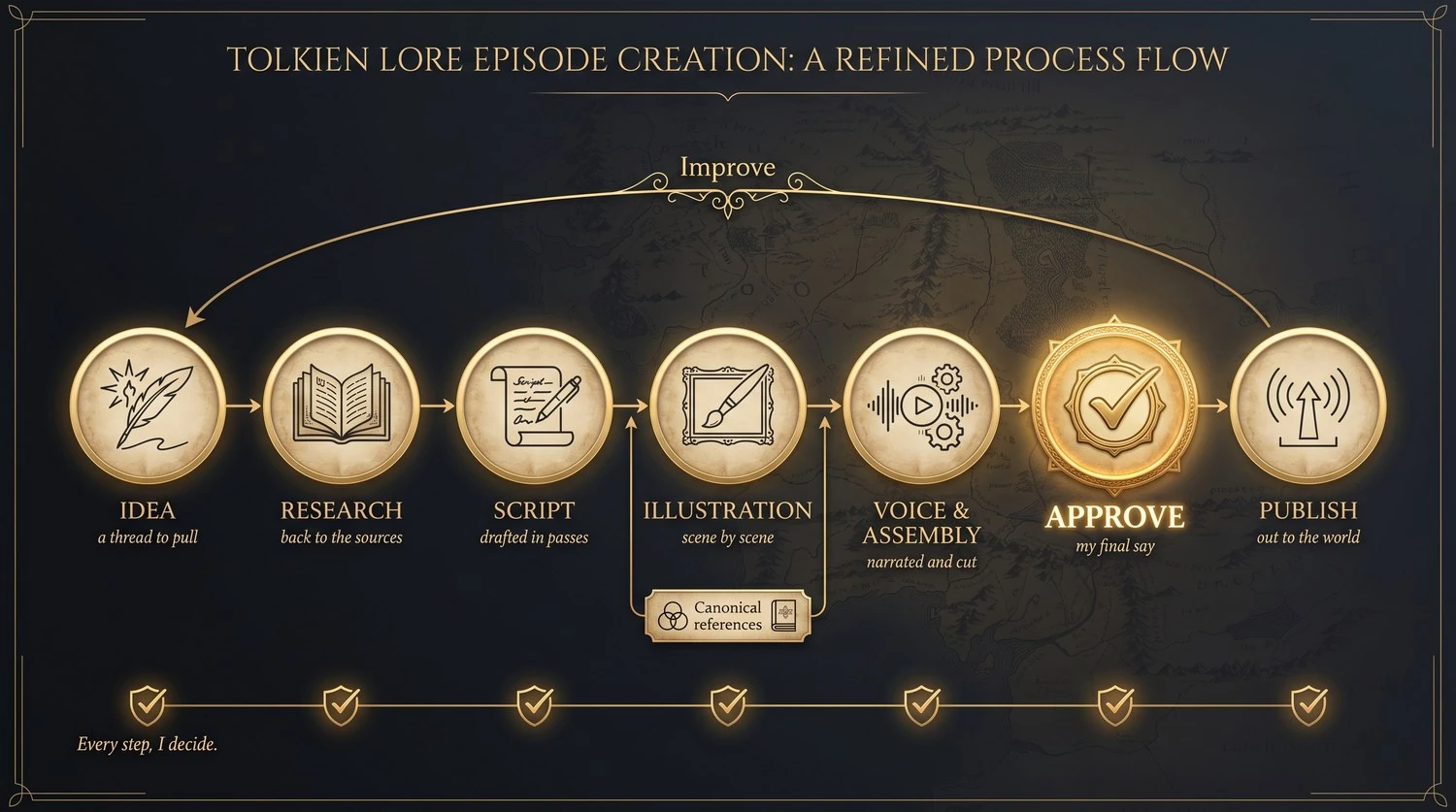
From a spark of interest to a published episode. The system runs the whole line, and it stops cold wherever a medallion glows, waiting on me: the script, every image, the spotted score, the thumbnail, and the final approval — which stays locked until I have recorded the episode's closing in my own voice. Every finished episode feeds back into the next.
Stills from recent episodes
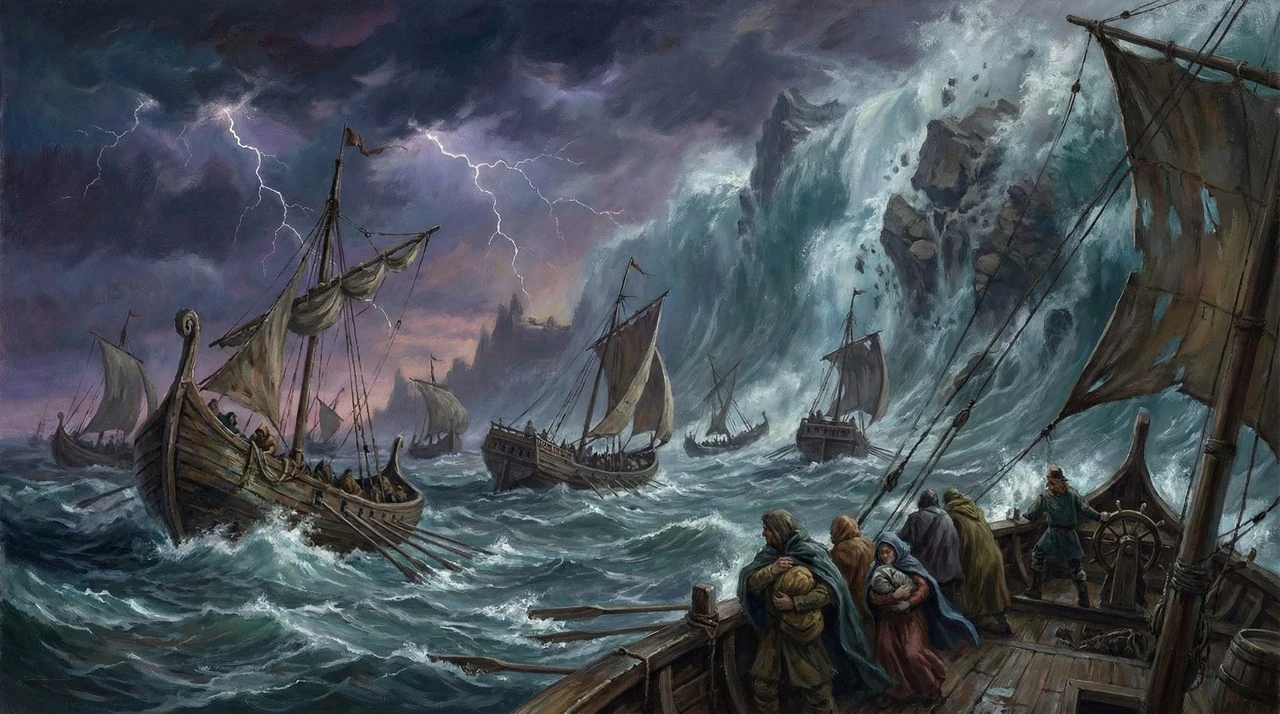
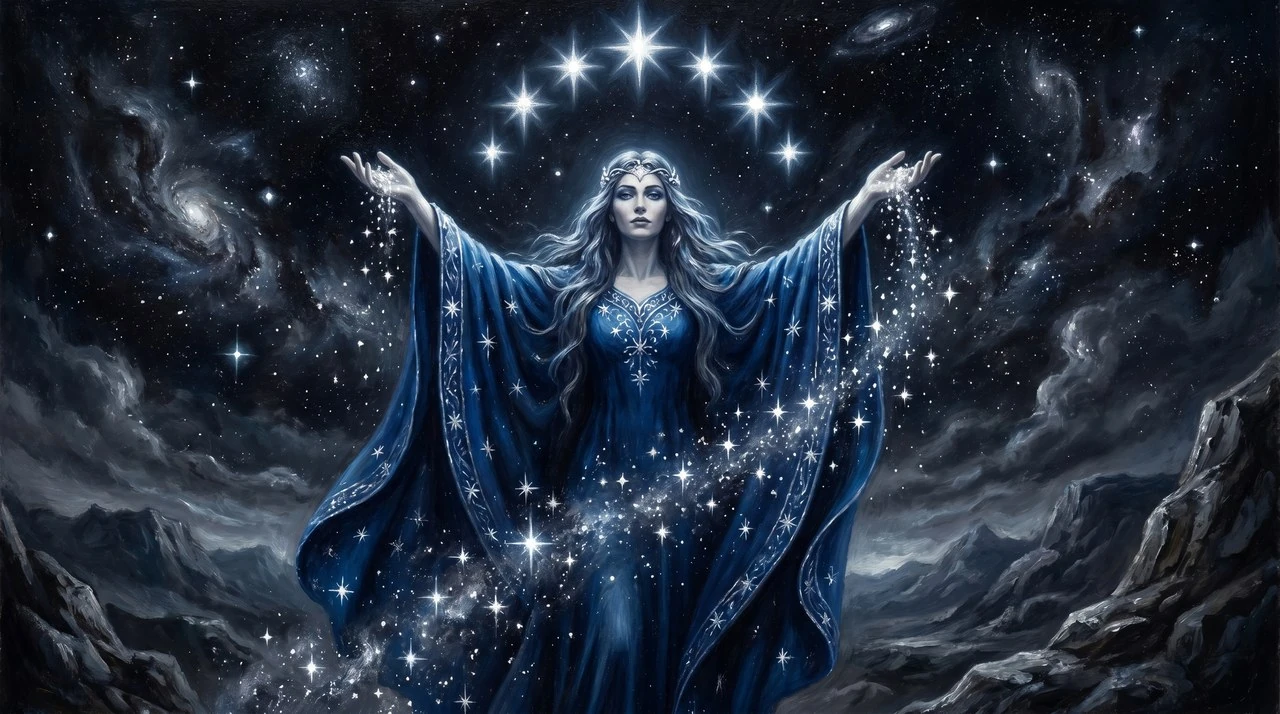
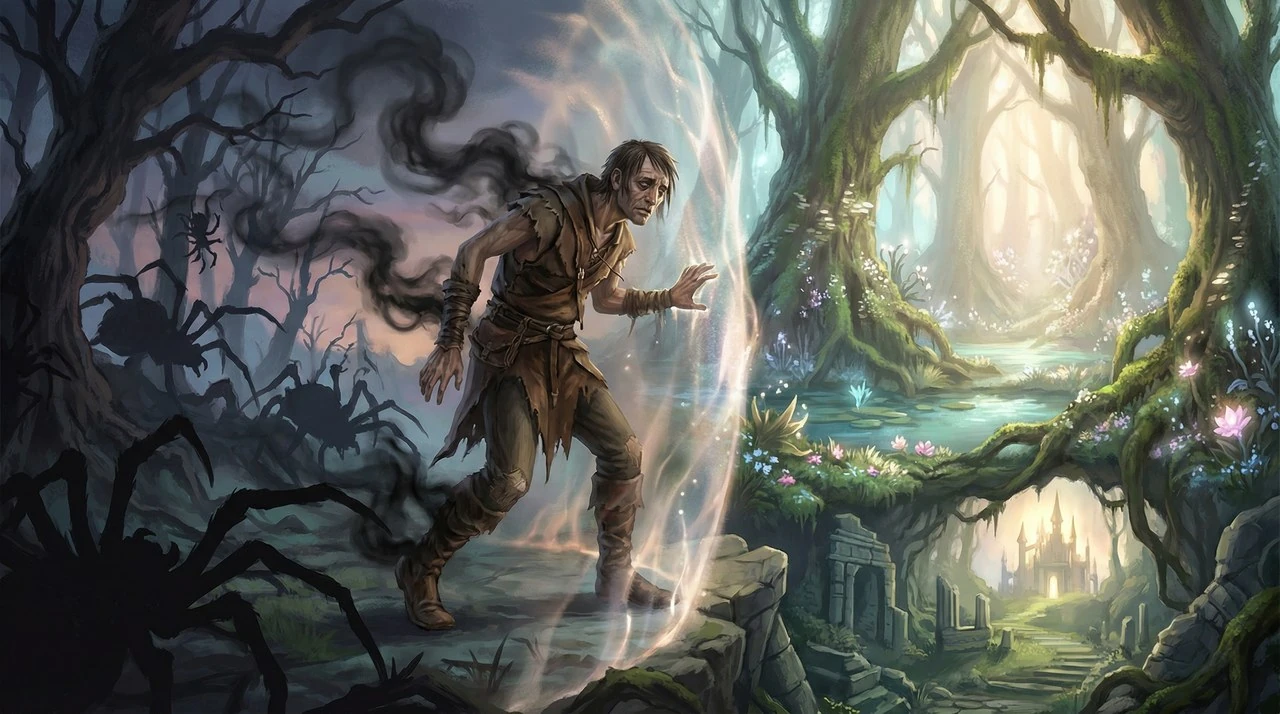
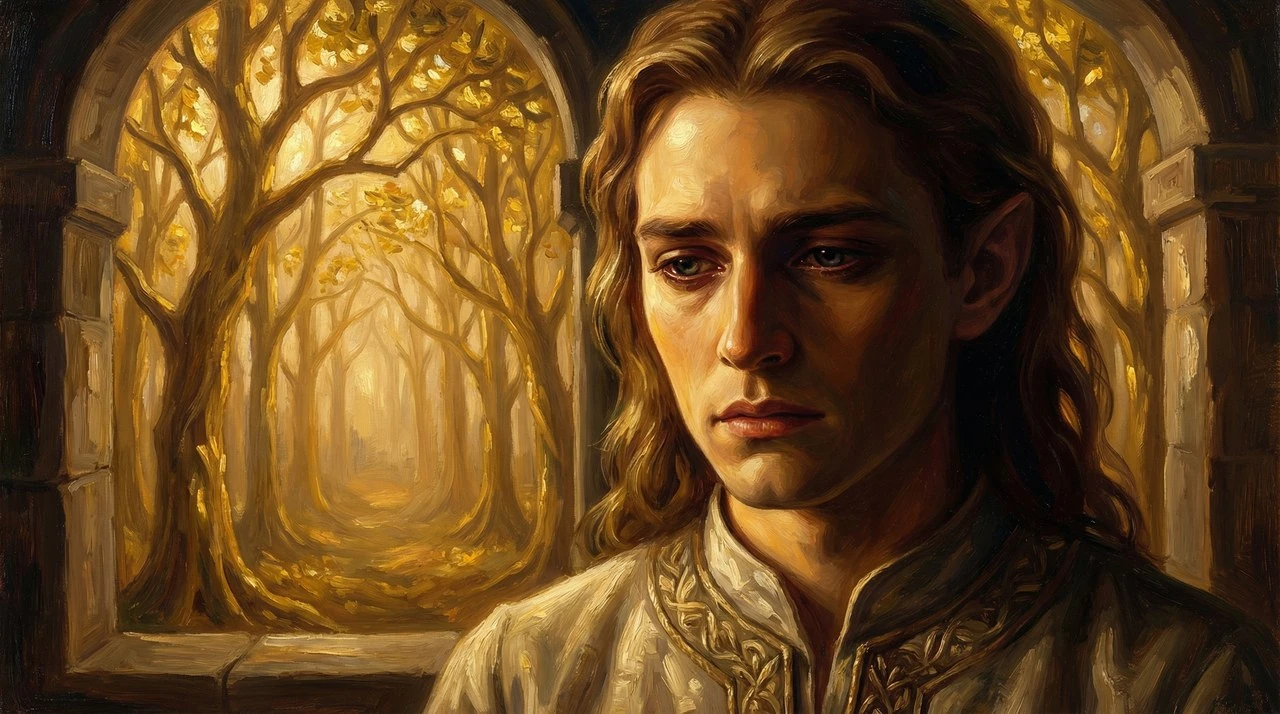
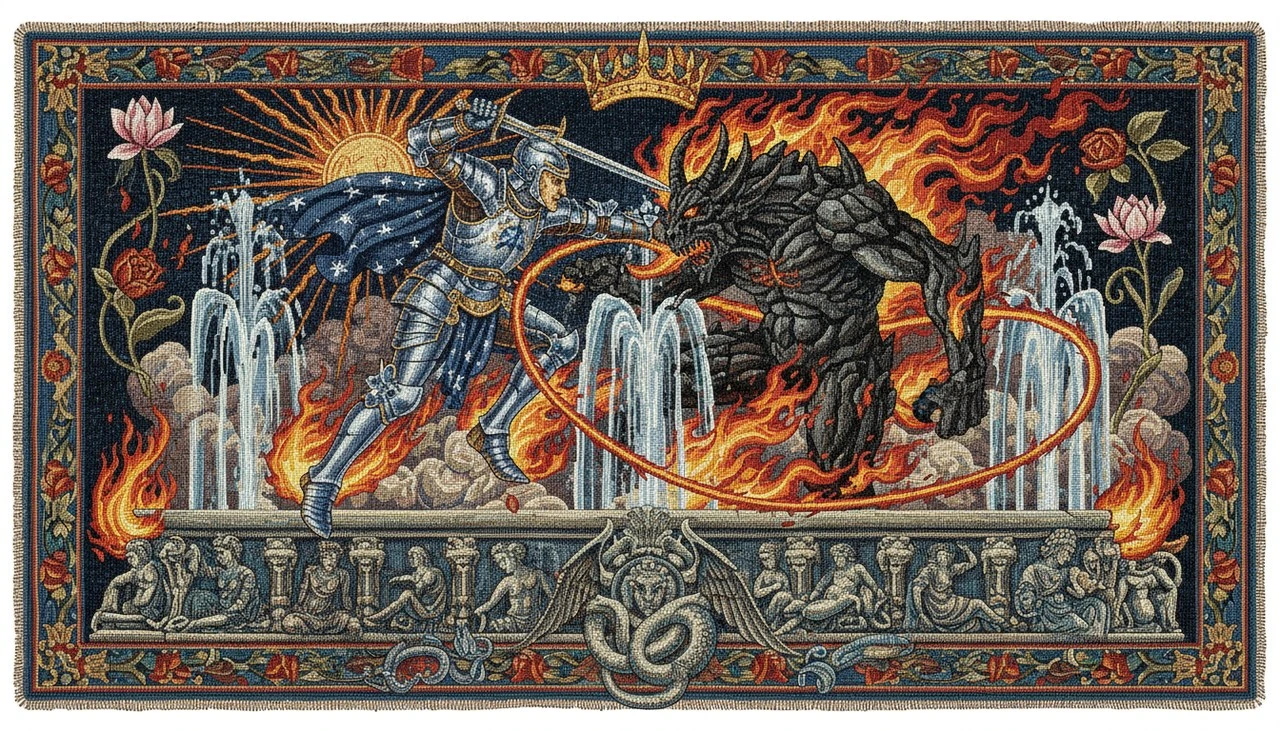
From idea to episode
The path an episode takes
The same shape repeats at every step. The system does the production work and lays a decision in front of me.Where it begins
It usually starts with my own curiosity. The deeper I get into Tolkien, the more threads I want to pull, and those are what fill the backlog. The system adds to it: each week it scans what people are discussing across YouTube, Reddit, and the web, and surfaces ideas I might have missed. More data points, not marching orders.
I decidewhat is genuinely worth making, and often it is simply something I want to understand better.
The research
A researcher goes back to the primary sources, the Silmarillion, The Lord of the Rings, Unfinished Tales, the History of Middle-earth, the Letters, and returns with quotes, a timeline, and the themes, each tied to where it came from. Before a word of script exists, it also maps out five to eight genuinely different ways into the topic, so the episode will not circle back on itself. And it is hardest on the three kinds of facts most likely to go wrong later: dates, family lines, and any sentence containing the word "greatest."
I decidethe angle: the one question the episode is really about, and the line it opens on.
The script
Three specialists work the script in sequence. A writer drafts it in stages: the outline and the argument first, then the narrative, then the cold open, then the close. A fact-checker reads the finished draft before any polish happens, truth before style. It checks family trees, dates, counts, quotes, and every claim that something was the first, the greatest, or the only, against the research and a canon library kept on disk. What is provably wrong it corrects. What cannot be proven it flags and carries forward to me. Then an editor audits the writing itself against rules I keep: the same dramatic word leaned on five times, sections that cannot stand alone, an opening shaped like the last ten openings, prose with that faint machine smell. And then the draft comes to me, and I work through it line by line before a word of it is read aloud.
I decidewhat the flags mean and what the script finally says. A superlative the checker cannot verify gets kept, softened, or cut, and that call is mine.
The voice
For a long time the episodes were read in one steady voice I had chosen. This summer that changed: the narration is now read in a clone of my own voice, trained on recordings of me, with the pauses and emphasis written into the script like stage directions. And the closing words of each episode are not the clone at all. That is me at a microphone, recorded fresh for that episode.
Either way, the system then listens back to the narration and writes down the moment every single word is spoken, to a fraction of a second. Everything that follows, the cuts, the music, the images, lands on the spoken word rather than on a guess.
I decidedthis twice. Once years ago, when I picked the voice that read every episode. And again this summer, when I replaced it with my own.
The direction
Before a single image is made, a storyboard is written the way a director plans shots. Roughly two images for every minute of narration, each one anchored to the exact words it will appear under. Each shot is tagged wide, medium, or close. Every section builds toward one apex shot where the register changes. And the last image of the episode answers the first. There is more on this below, because it turned out to be the hardest part of the whole system.
I decidenothing here, and that is the point. This is the part that took the longest to teach.
The look
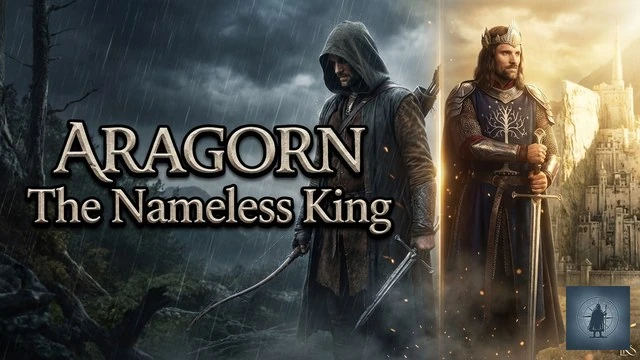
For every shot the system writes a full painterly prompt, working in one of six registers, from epic action to intimate oil portrait, and pins every recurring character, creature, and place to a locked reference image I approved. Some episodes opt into a signature style instead: an ink-wash register, or a near-monochrome engraving style with gold and crimson accents. A reviewer with eyes then inspects every render against the visual canon before I ever see it, and regenerates the misses. Then it is my turn.
I decideon each image. I look at every one, count the figures when a scene calls for a set number, and when something is off I draw on the image itself, an arrow and a note, and the system fixes exactly that. It loops until I have nothing left to mark.
The sound
A composer's pass reads the finished script and spots it like a film: which stretches get music, which get silence, and the two moments in the whole episode that deserve a real cue. Where the story itself sings, a dwarven dirge, an elvish lament, an actual sung piece takes the music's lane and the bed steps aside for it. Sound design comes after the storyboard exists, so every effect is synced to the picture on screen. The full sound world is below.
I decidethe palette, and now the mix. I auditioned and locked every instrument and mood the system is allowed to play; it decides where to play them. Then I listen to the spotted episode and sign off on the mix before anything is assembled.
The cut
The opening is cut like a trailer: four to seven shots on the beats of the narration, saving the strongest image for last, where the camera pushes in and the title develops across the frame like ink spreading in water. The body lands each painting on the words it belongs to, and the cuts fall on the beats of the score as much as the sentences, with close-up details lifted from the paintings themselves. A few chosen stills are set in motion, mist drifting, a banner lifting, a painting breathing for a few seconds. The closing does the opposite of the opening: two or three shots, slow dissolves, ending on the widest image and pulling out to black. And the whole thing opens and closes under an animated version of the channel's mark.
I decidelater, watching the finished cut end to end. But this stage runs on its own, and it is the part I enjoy checking most.
The final say
The system proposes six different titles for the thumbnail, each taking a different angle on the episode. I pick one, or write my own. Only then does it render six thumbnail variants with that exact text, and the variants get the same review as every other image: if one is nearly right, I draw on it and the system fixes exactly that. Then everything is laid in front of me: the video, the description, the chapters, and every fact-check flag it could not resolve on its own. One thing it will not let me skip: the closing I recorded has to be baked into the cut before the approve button will work.
I decide.I watch the episode start to finish and make the last call: publish it, send it back, or scrap it. Nothing goes out on its own.
How the images are staged
The director's eye
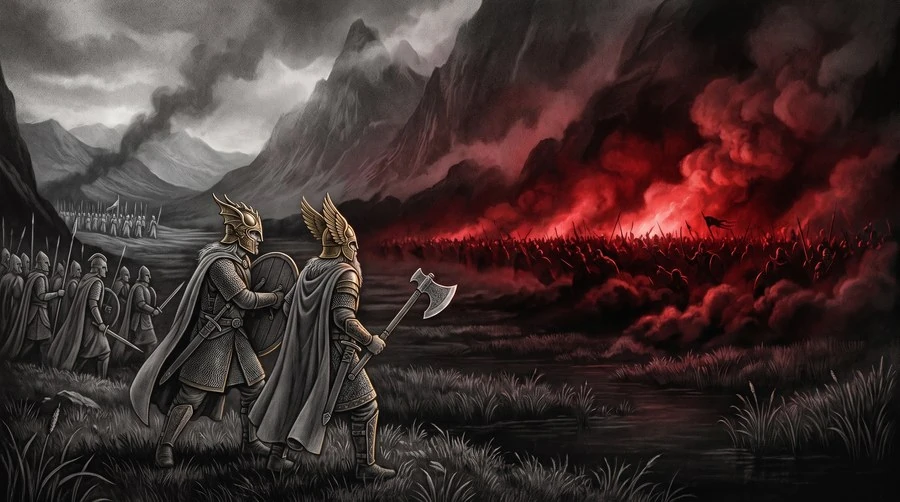
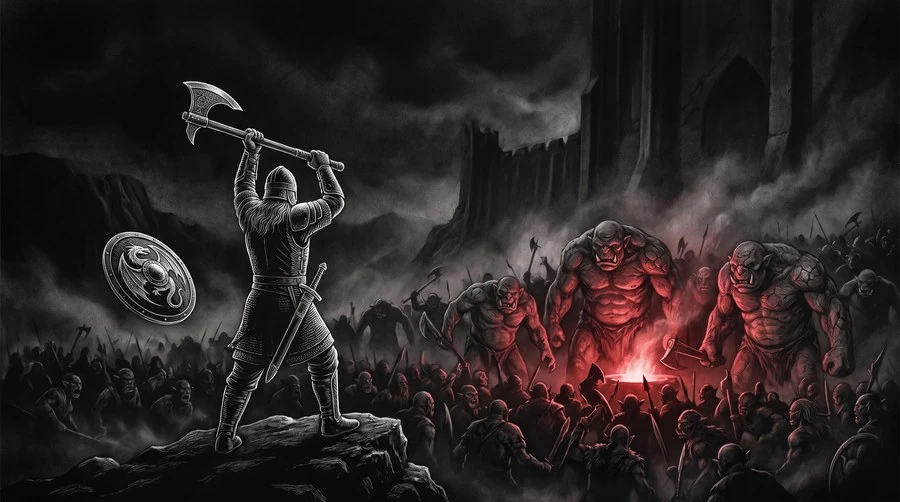
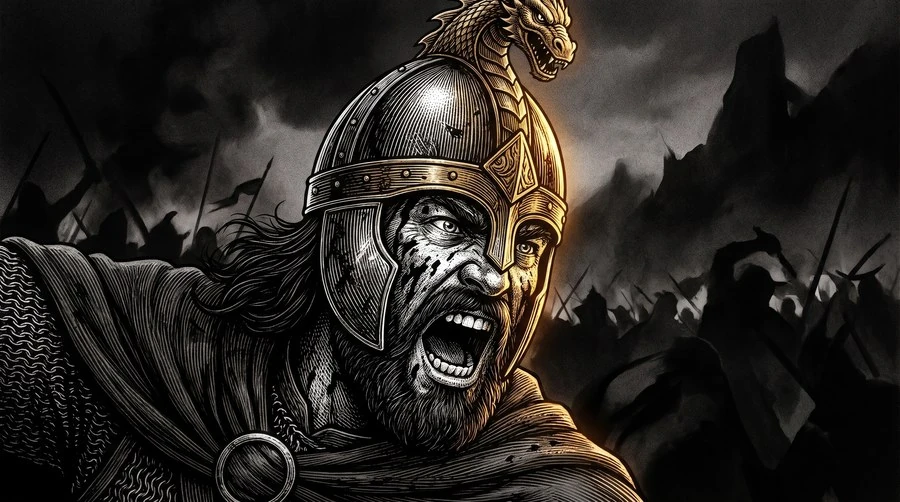
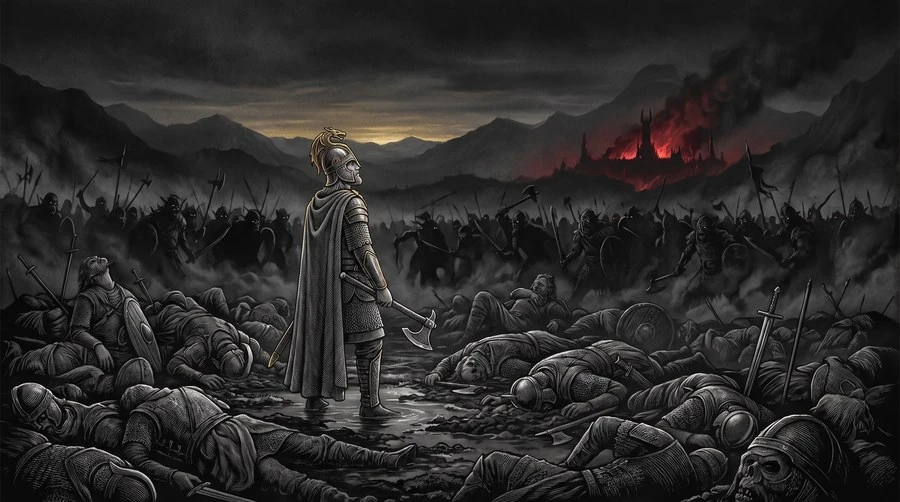
The difference between an illustration and a shot is that a shot knows where the camera is standing.Left to itself, an image model paints a posed tableau: the hero centered, facing forward, looking at you. Ask it for "Húrin stands among his enemies" and you get a character sheet, not a moment. So every shot description in the storyboard has to answer three questions. What is the moment: an action in progress you could caption with a verb, swearing, breaking, unfurling. Where is the attention: what each figure is looking at inside the frame, because nobody is allowed to look at the camera. And where does the camera stand: low and close for menace, behind a shoulder when you should feel like you are there, high and far when someone is alone.
Certain phrases are banned from the storyboard outright. "Stands among." "Surrounded by." "Portrait of." Groups are staged in depth, near figures and far ones, seen from within the scene rather than lined up facing the viewer. It sounds fussy. It is the difference between a slideshow and something you watch.
The score
A chamber score, spotted like a film
Story is scored. Analysis is bare. The silences are where the music gets its power back.Every episode is scored from one locked sound world: a solo cello carrying the narrative line, spare piano, a small warm string ensemble. Real instruments, played quietly. No synthesizers, no choirs, no drums except in battle. I auditioned and approved every piece of it once, twelve moods, each in a spare and a full arrangement, and the system has played from that palette ever since.
The craft is in where it plays. A composer's pass reads the script and spots the arc, not the timeline: narrative passages get a bed of music, and analytical passages, the "here is how the mechanism works" stretches, get deliberate silence. Something like a sixth of a finished episode has no music at all, and that is what makes the next entrance land. On top of the beds, each episode is allowed at most two arrival cues, real musical moments aligned to the exact line they crest on. The mixer will refuse a third. Scarcity is the whole trick.
A real score sheet, drawn from the episode on the Nirnaeth Arnoediad. Color is mood, height is how much of the ensemble is playing, gaps are deliberate silence. The two flags are the episode's only arrival cues, and they bracket the battle exactly as the story does: Fingon's cry at sunrise, Húrin's at nightfall.
Sound effects come last, and only after the storyboard exists, so that every sound agrees with the picture on screen. Wind over the right plain, the sea under the right harbor, a handful of spot effects per episode, each one earned by the narration. If there is no raven in the frame, there is no raven cry.
Consistency
The same world, every time
A channel like this lives or dies on consistency. The same Gandalf has to look like the same Gandalf in his fifth appearance and his fiftieth.So before the system illustrates anyone, it reaches for a reference. I have built a library of 170+ locked reference images, a set for every recurring character, being, place, object, and creature. When a scene calls for the One Ring, the Balrog, or the white city of Minas Tirith, that reference is attached to the generation. It fixes who or what the subject is. The episode's own painting style always wins; the reference only pins identity.
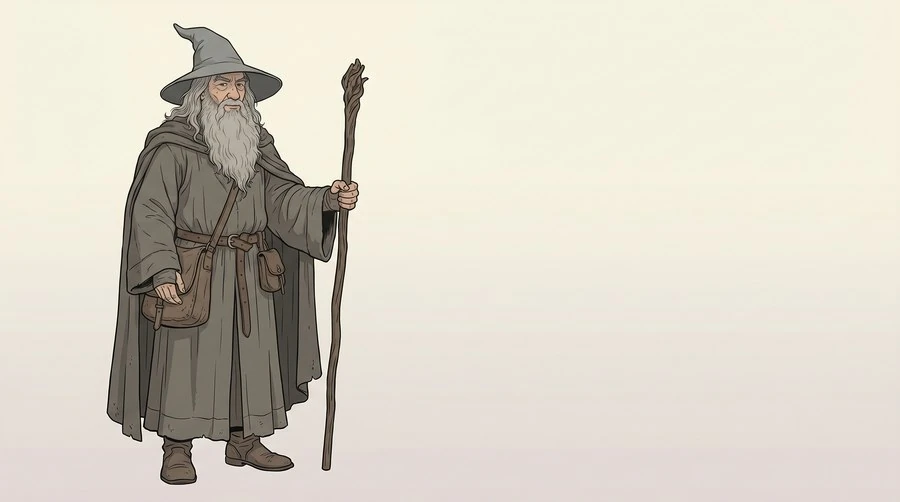
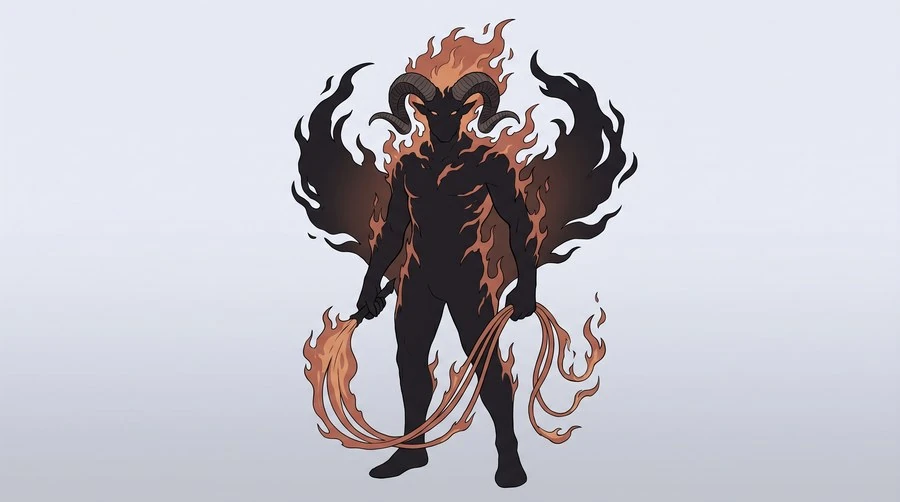
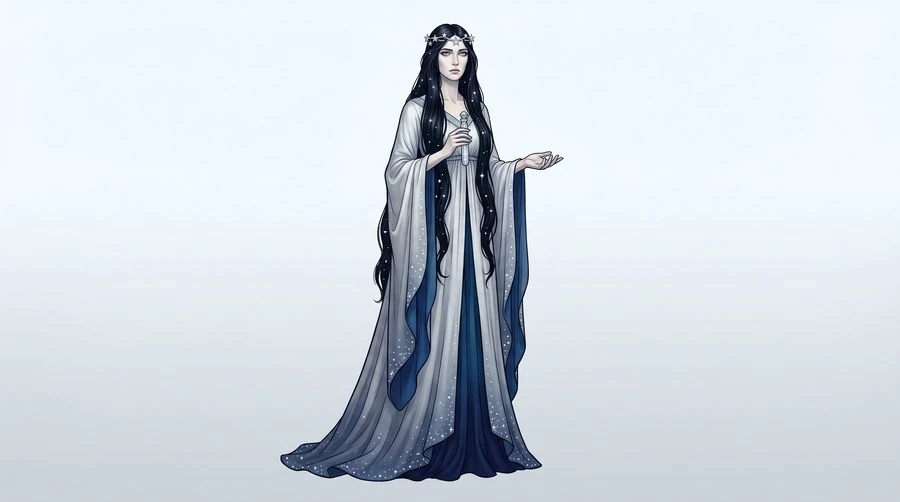
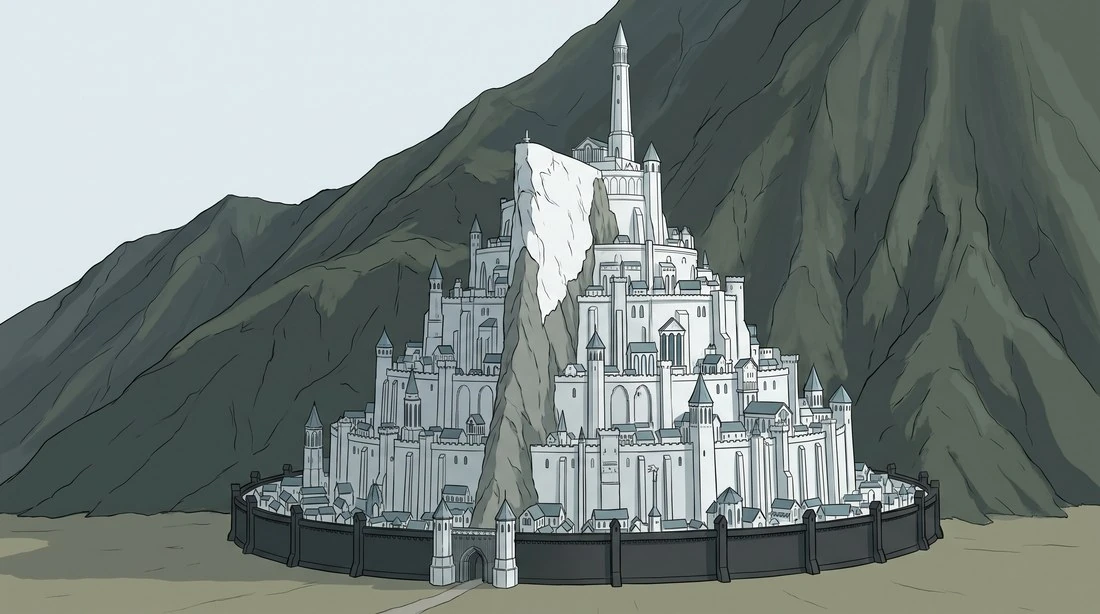
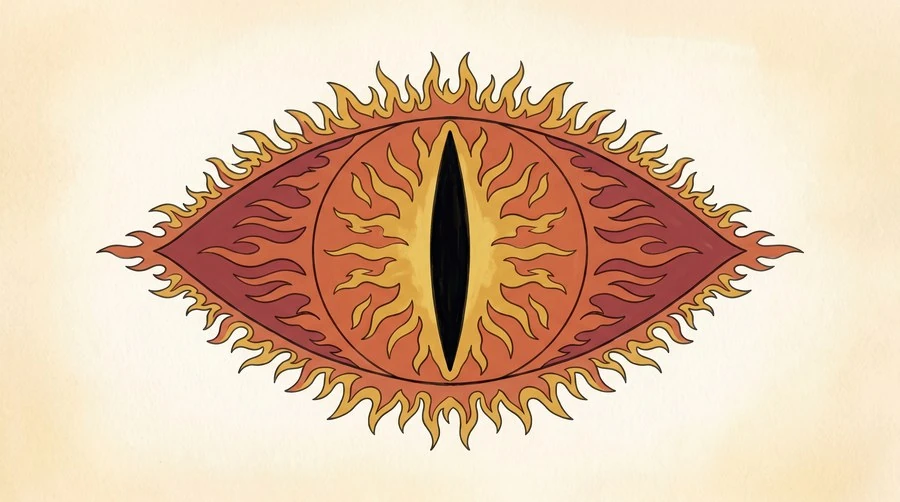
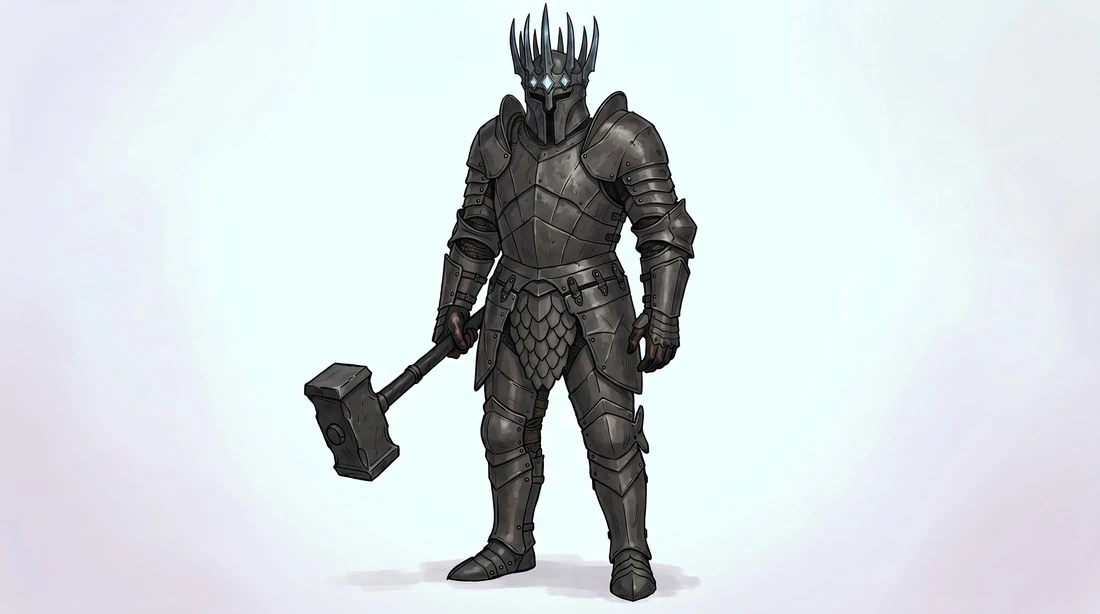
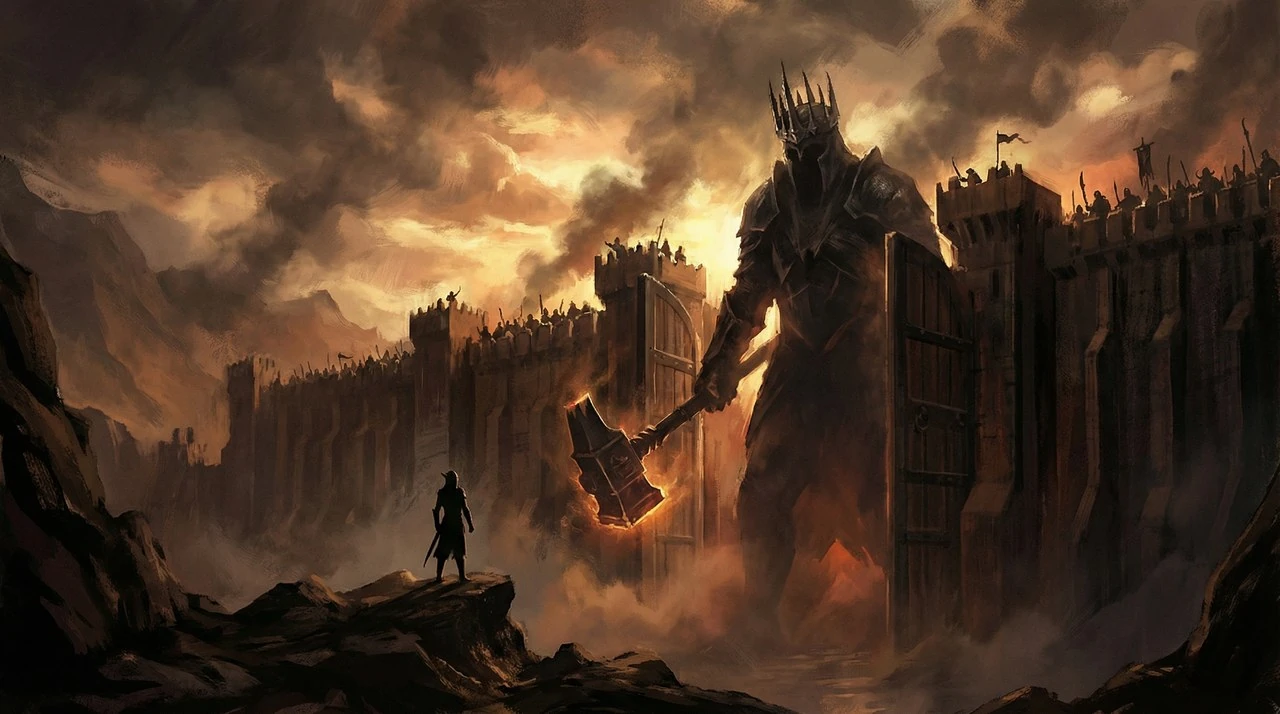
Behind the references sits a canon library: more than a hundred named entities, each with its genealogy, its look, and its variants written down. Gandalf the Grey and Gandalf the White are separate entries. Sauron has a fair-formed variant for the years he called himself Annatar. Maedhros after his rescue is missing his right hand, and the library will not let an image forget it. On top of that sit rules I keep, most of them learned the hard way. Elves are beardless. A council of the Valar shows exactly fourteen. The Silmarils sit set into Morgoth's iron crown, and never float above it. A Balrog carries its horns.
And when a render still gets something wrong, I do not type a new prompt. I draw on the image.
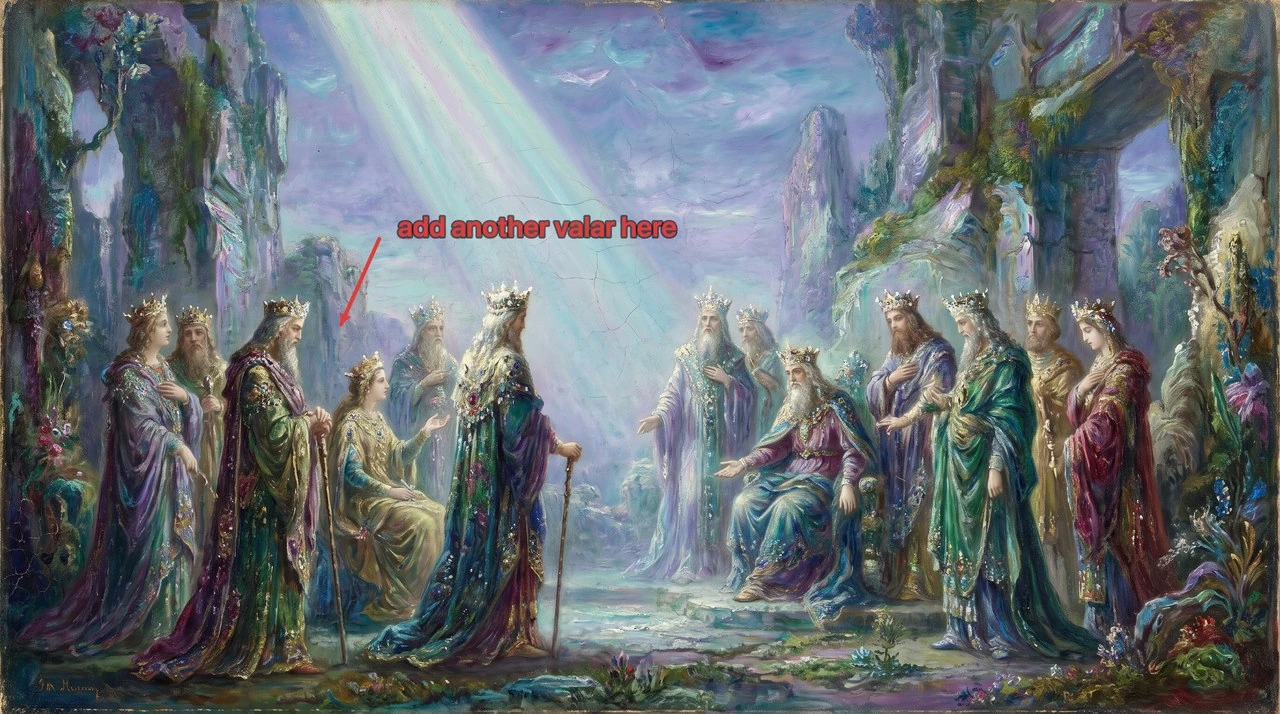
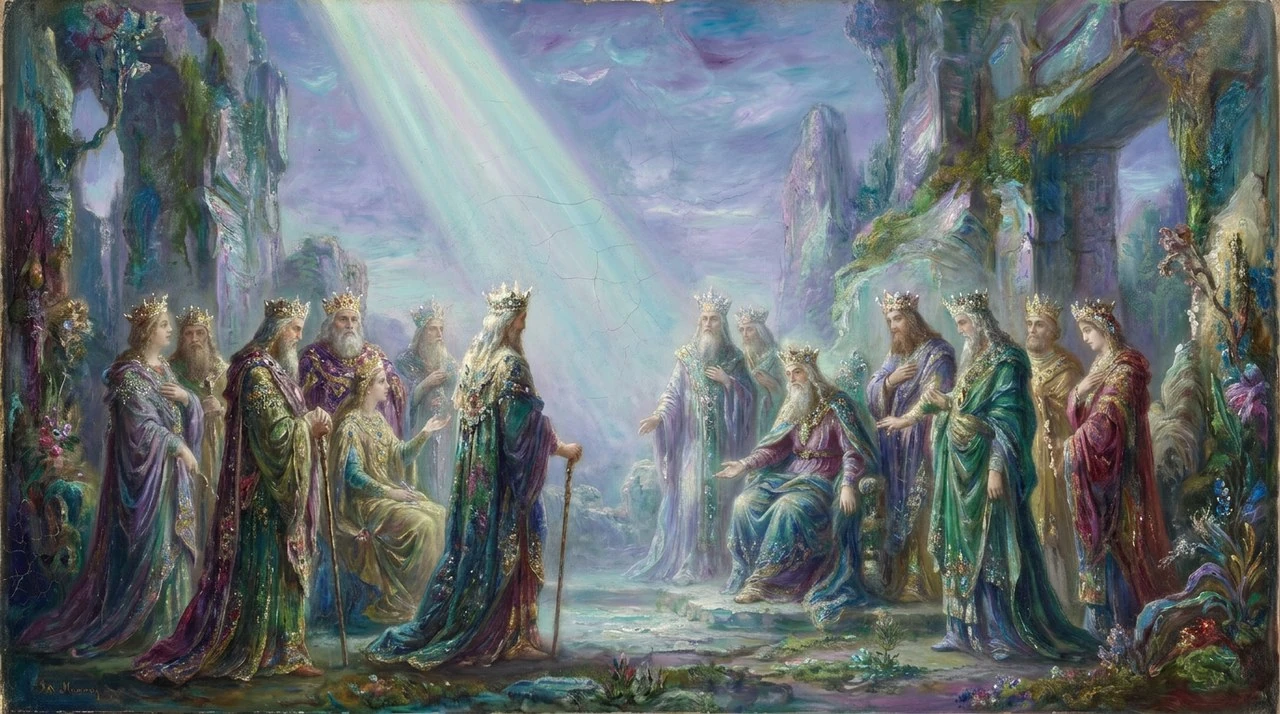
Every note like that is written down with the reason it was wrong. When the same kind of miss shows up twice, it hardens into a rule the next episode has to follow. That is why the rules above exist at all. And the references themselves are not above review: when a locked reference starts to bother me, I mark it up the same way, and the fix has to earn its lock back before any episode can use it.
Where I make the calls
The Production Hub
All of those decisions come together in one place: a control room I built. It does not act on its own. It gathers everything waiting on me, lays out the options, and waits.Thumbnail · chosen from 6 variants
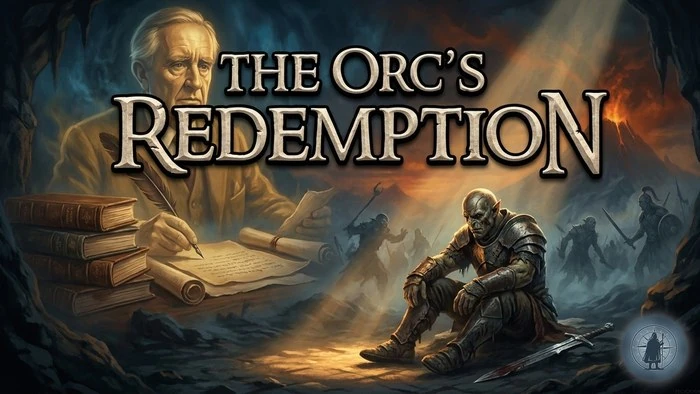
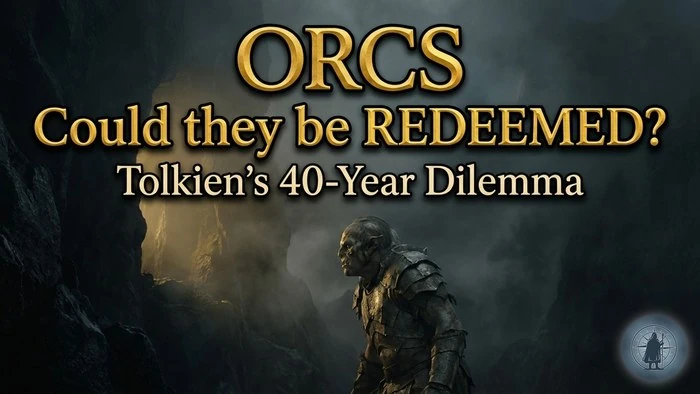
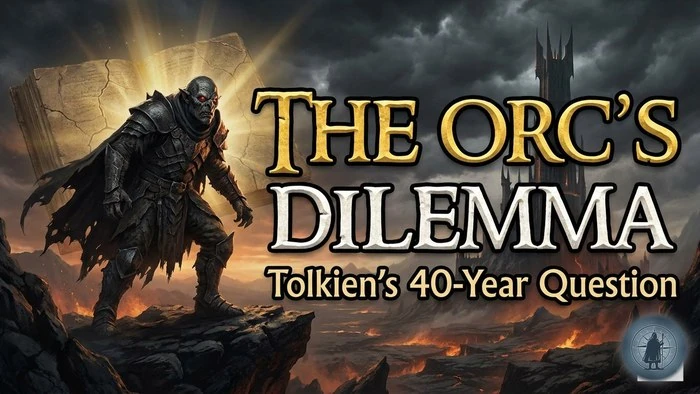 Chosen
The last stage of one episode's workspace. Every gate the episode has passed sits on the rail above it, locked exactly as I left it. The video, the thumbnails, the closing in my own voice, and one button. I watch, I approve. Or I send it back.
The Hub is built around a board. Every episode and short sits in a bucket named for whose court the ball is in: needs me, in production, up next, scheduled, published. Each has a permanent workspace page where the whole path runs along a rail, script to publish, and a gate that has been passed stays on that page forever, read-only, exactly as it was decided. The Hub has grown sister rooms too: the schedule, the visual canon, the sound world, the analytics, the finances, the system's own learning. And a room for talking to the audience, where every comment arrives paired with a reply drafted in my voice for me to edit, send, or skip, and the posts the system stages for the week wait for my approval, one by one. It surfaces the decision. It never makes it for me.
Waiting on a decision
The board. Whatever is waiting on me waits here, with the gate it is stuck at written on the card.
It keeps getting better
Every episode teaches the next one
The system that made the last episode is not the one that will make the next.
It catches itself repeating
Read back across enough episodes and the patterns show. Every script was opening the same way. The writing kept reaching for the same reflective beat, ten times in one episode. Once a month I re-read the last ten episodes on purpose, and the system's own instructions get edited: fresh patterns to rotate through, a cap on the worn ones. Rules get replaced and retired, not just piled up.
Image mistakes become rules
The Silmarils drawn floating above the crown. A Balrog that came out looking like a goat. Every note I leave in image review is logged with the reason it was wrong, and when the same miss shows up twice, it hardens into a rule the next batch has to follow.
Lore slips become rules
When a fact-check flag turns out to be a real error, or a sharp-eyed viewer catches something in the comments, it goes into an accuracy ledger. The researcher and the fact-checker read that ledger on every episode after. The same mistake does not get a second episode.
It learns how I talk
Everything I edit before it goes out is kept as a pair: what the system drafted, and what I actually said. Comment replies, script lines at the review gate, the captions on social posts. A reflection pass mines those pairs and rewrites the voice guides, so the drafts drift toward me instead of me drifting toward them.
All of it is written into one ledger I check from a dashboard I call the Brain: which loop ran, what it changed, what keeps failing. Improvement here is not a mood. It is bookkeeping.
The rest of it
Around the episodes
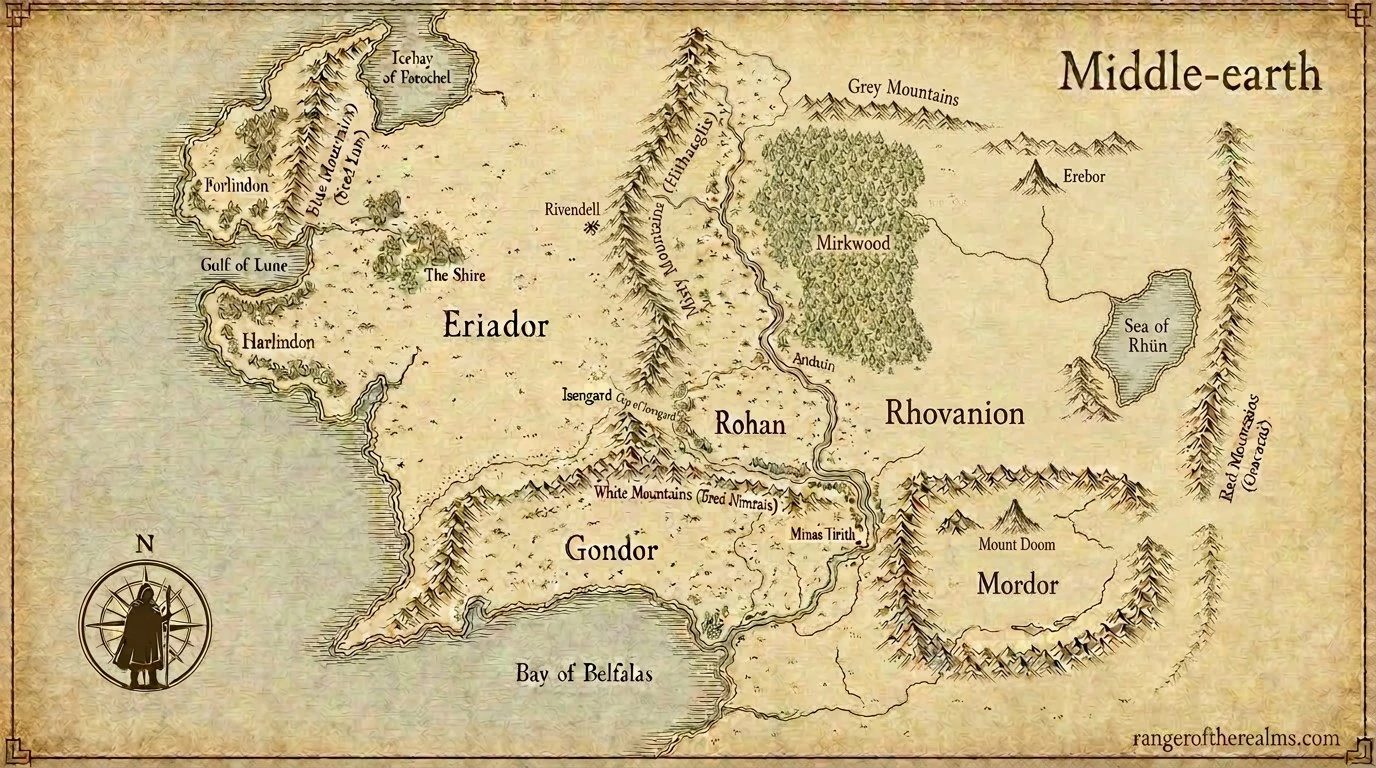
An atlas of Arda
Alongside the episodes I have been building an atlas: hand-styled, interactive maps of Middle-earth across its ages, from the Years of the Lamps to the end of the Third Age.
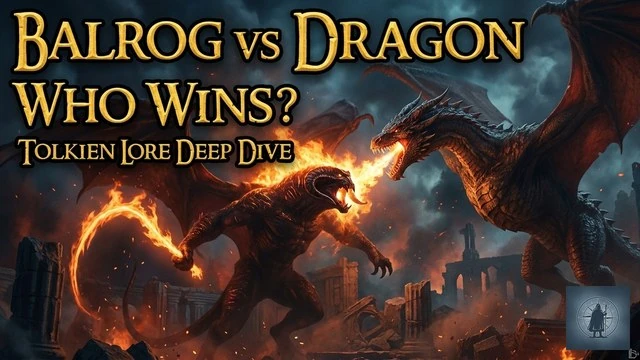
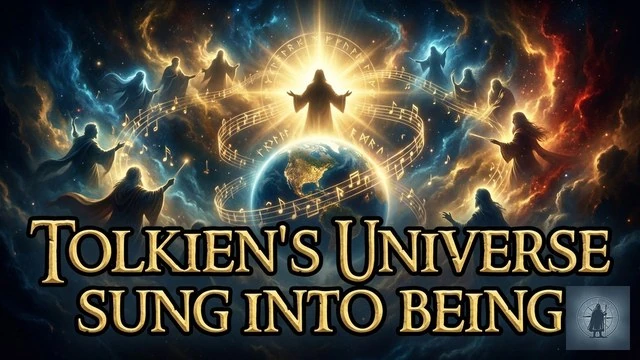
This website
The site you are reading builds and publishes itself from the same records that run everything else. New episodes, notes, and pages appear without anyone touching HTML.
Under the hood
The machinery
Not the point of the page, but for anyone curious about the depth of it. The system has grown into a fair amount of deliberate engineering.And the tools it runs on
- Claude Codeorchestrates the whole pipeline
- Geminipaints the illustrations
- Gemini Omnisets paintings in motion, animates the channel marks
- ElevenLabsreads the narration in a clone of my voice
- ElevenLabs Musicperformed the chamber palette, once
- Whispertimes the words to the picture
- FFmpegassembles and encodes the episode
- YouTube APIuploads, schedules, and tracks
- Grok and Redditsurface what people are discussing
- Cloudflareserves this site
The tools will keep changing. What starts every episode stays the same: something about this world I want to understand.